

California Is Expanding the Role of Virtual Power Plants. What Does It Mean for Commercial Solar and Storage?
California is opening the door to a bigger role for distributed energy
Gov. Gavin Newsom recently signed SB 913 and SB 905, advancing California’s efforts to make greater use of customer-sited batteries and other distributed energy resources. The California Solar & Storage Association (CALSSA) described the legislation as opening new opportunities to use virtual power plants to address electricity affordability and grid needs.
The idea behind a virtual power plant, or VPP, is relatively simple: connect and coordinate distributed resources across multiple properties so they can respond collectively to changing grid conditions. While one commercial battery represents a relatively small resource, many aggregated systems can function as a larger, flexible energy resource.
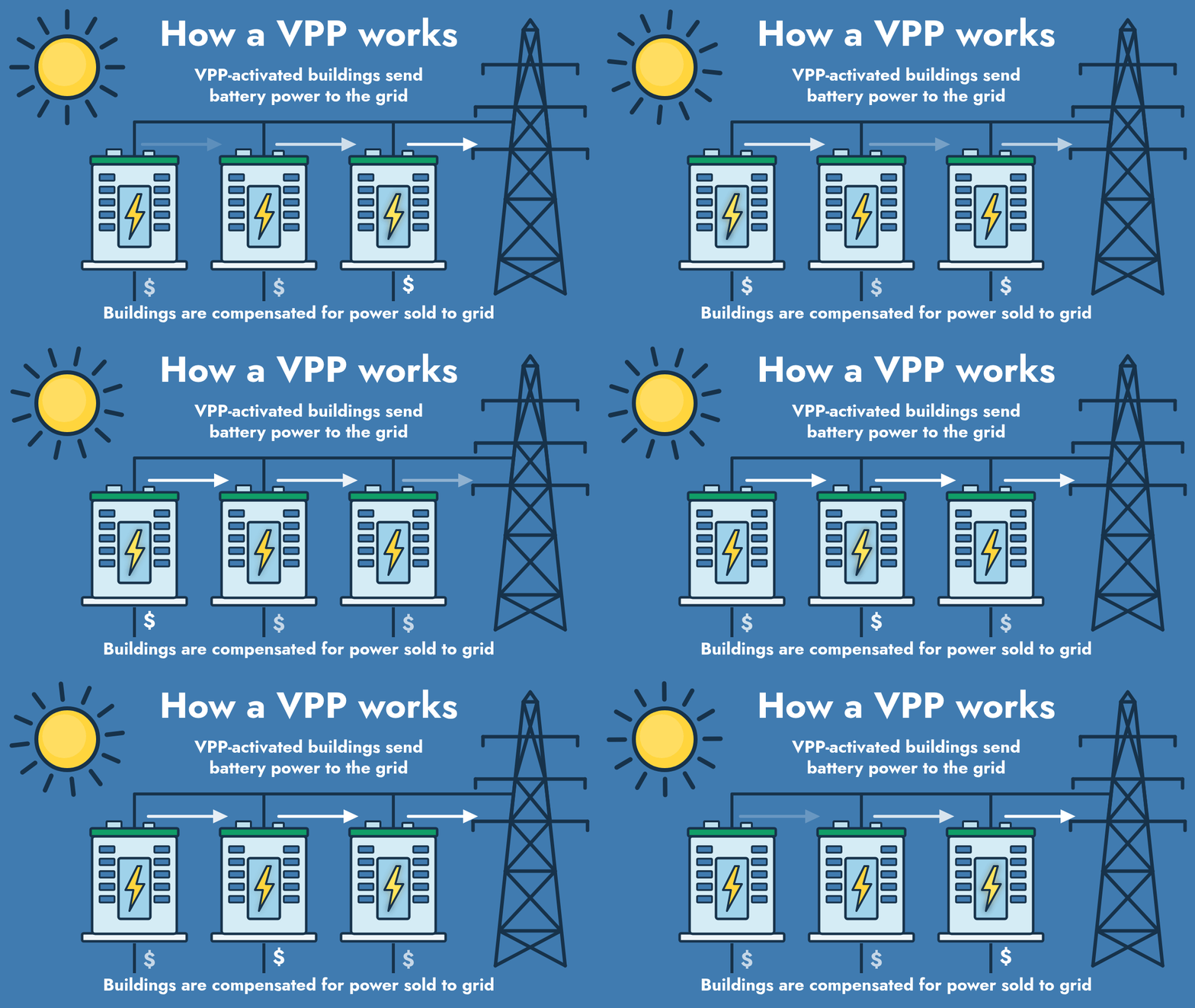
For commercial property owners and businesses, that expands the potential role of distributed energy. Solar and storage can serve a property’s energy needs today while increasingly positioning those assets to contribute capacity and flexibility to the broader grid. As California’s VPP market develops, the opportunity will depend on how new policies are implemented, where distributed resources can create value and how commercial properties can participate.
Luminia helps commercial property owners and businesses develop solar and battery storage projects tailored to their energy, financial and site requirements. Through flexible project structures, including power purchase agreements and select CCA programs, Luminia helps organizations access distributed energy solutions while reducing barriers such as upfront capital investment.
What the new legislation changes
SB 913 creates a pathway for aggregated customer-sited resources to play a greater role in California’s resource adequacy framework and receive recognition for the capacity they can provide.
In practical terms, that will make it easier for distributed batteries and other customer-sited resources to be aggregated and recognized for their contribution to grid reliability. The legislation establishes a framework for California agencies to develop how those resources can participate, including how capacity exported to the grid is recognized.
SB 905 addresses another side of the distributed energy equation: how California uses its existing distribution infrastructure. The legislation focuses on improving grid utilization and considering distributed resources and flexible demand as potential solutions when portions of the distribution system become constrained. Together, the bills point toward a grid where distributed energy resources can do more.
Implementation will determine exactly how these opportunities take shape, including participation requirements and economics. But the direction is clear: California is creating a larger role for distributed energy in meeting system needs.
One distributed energy system can create value across the grid
A commercial solar and storage system already provide value at the property where it is installed. As California’s VPP market evolves, that same system can create value at multiple levels:
Commercial properties are particularly relevant to that opportunity because of both the amount of energy they use and the physical space many sites have available for distributed energy infrastructure.
Commercial properties are an important part of the distributed energy opportunity
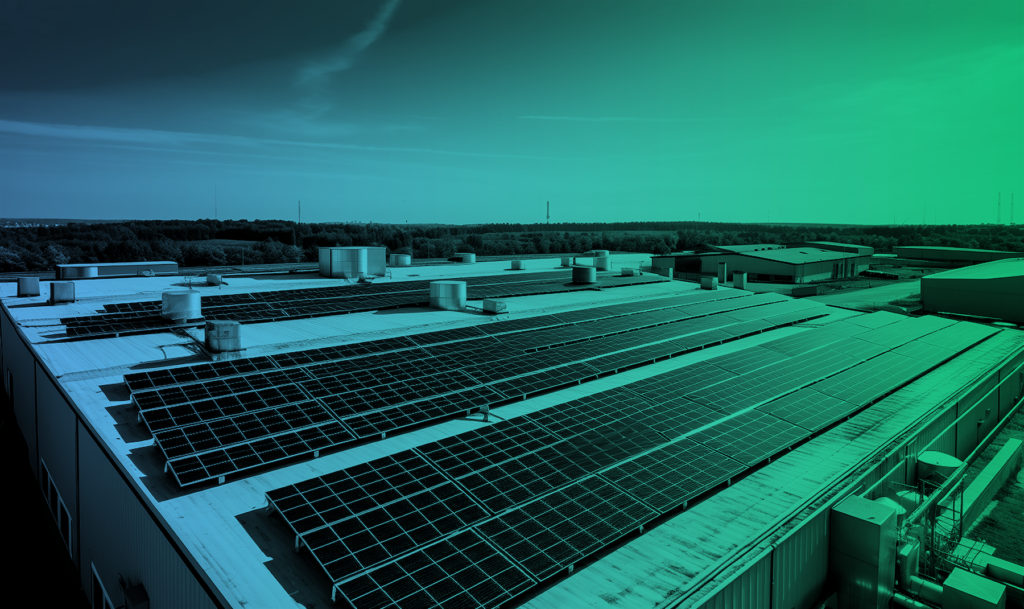
Commercial rooftops, parking areas and other onsite spaces represent significant opportunities to add distributed solar generation and battery storage close to where energy is being used. Pairing solar with storage allows businesses to use renewable generation more strategically. Solar produces energy onsite, while battery storage adds flexibility by allowing energy to be stored and used at different times based on the needs of the property.
Commercial properties can also provide meaningful scale. Warehouses, manufacturing facilities, retail properties, offices and other commercial sites have large rooftops, parking areas or other underutilized spaces that can support distributed energy infrastructure. That makes commercial properties a potentially important part of California’s growing VPP market. As programs and market structures evolve, businesses with distributed energy assets could be positioned to participate in new grid services and potential value streams.
California’s latest policy direction further strengthens the long-term case for commercial distributed energy, particularly as businesses are already confronting rising commercial electricity costs in California.

Finding the right path to commercial solar and storage
Businesses don’t need to wait for California’s VPP market to fully develop to realize value from onsite solar and storage.
Every commercial property has different energy needs, financial priorities and site considerations. A manufacturing facility with significant peak demand, for example, has different requirements than a warehouse with a large available rooftop or a commercial property with extensive parking areas.
Luminia works with property owners and businesses to develop solar and storage solutions and project structures tailored to those needs. Depending on the project, that can include financing structures such as a power purchase agreement (PPA), as well as participation in innovative CCA programs that can provide access to solar and storage without upfront capital investment.
One example is the Solar Plus Business program, offered by Clean Energy Alliance (CEA) in partnership with Luminia. The program enables qualifying commercial and industrial properties within CEA’s service territory to host onsite solar and battery storage or standalone battery storage with no upfront capital investment. Luminia finances, installs, owns and maintains the systems.
Programs like Solar Plus Business demonstrate how distributed energy can address the needs of an individual property while supporting a more local and flexible approach to energy. The right solar and storage solution can address a property’s energy and financial priorities today while positioning it for a future in which distributed resources play a greater role in California’s grid.
Frequently asked questions
Interested in learning more about commercial solar and energy storage opportunities?
Contact Luminia to discuss your property’s energy profile and explore potential solutions.